
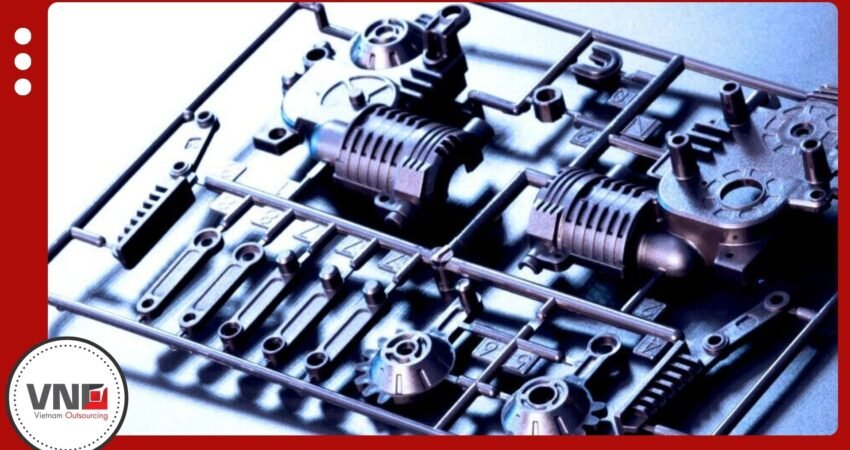
Magnesium Casting: Processes, Alloys, and Applications
Introduction Magnesium casting is a modern and eco-friendly technology that produces millions of lightweight, recyclable components. It plays a vital role in industries such as electronics, automotive, aerospace, and sporting goods. By combining traditional casting methods with advanced techniques, Vietnam die casting supplier can create strong, thin-walled, and cost-efficient magnesium
Read more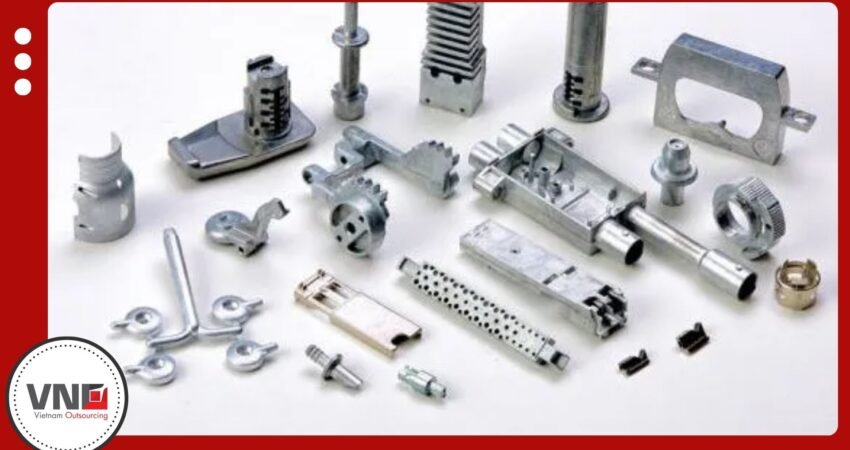
Zinc casting in Vietnam
Introduction to Zinc Casting Zinc casting is one of the most widely applied processes in manufacturing today. Unlike aluminum, zinc alloys melt at lower temperatures and require less pressure during production. This characteristic extends mold life and reduces costs, making zinc a practical choice of Vietnam die casting supplier for
Read more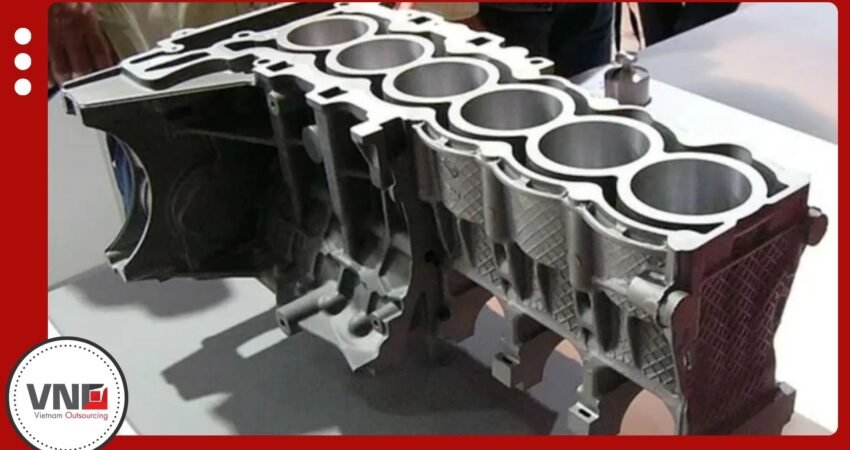
Titanium Casting: Properties, Methods, and Applications
Introduction Titanium casting is one of the most advanced processes in metalworking. The metal’s strength, light weight, and resistance to corrosion make it essential for aerospace, marine, energy, and medical applications. However, titanium reacts easily at high temperatures, so Vietnam die casting supplier must control the process carefully to ensure
Read moreDie Cast Metal: Process, Methods, and Applications
Introduction Die cast metal is one of the most widely used manufacturing processes today. It allows the creation of complex shapes with high precision and excellent surface quality. Many everyday items—from toy cars to real automotive parts—are produced using die casting. Because the process often eliminates the need for extra
Read more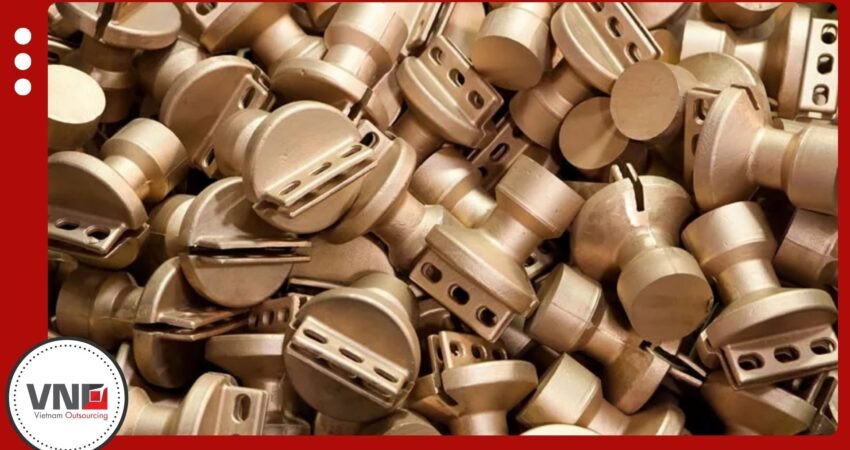
Copper Casting
What is Copper Casting? Copper casting is a process that shapes copper into strong, durable products by melting the die cast metal and pouring it into a mold cavity. Once the molten copper cools and solidifies, it takes on the form of the mold with reliable accuracy. This method has
Read more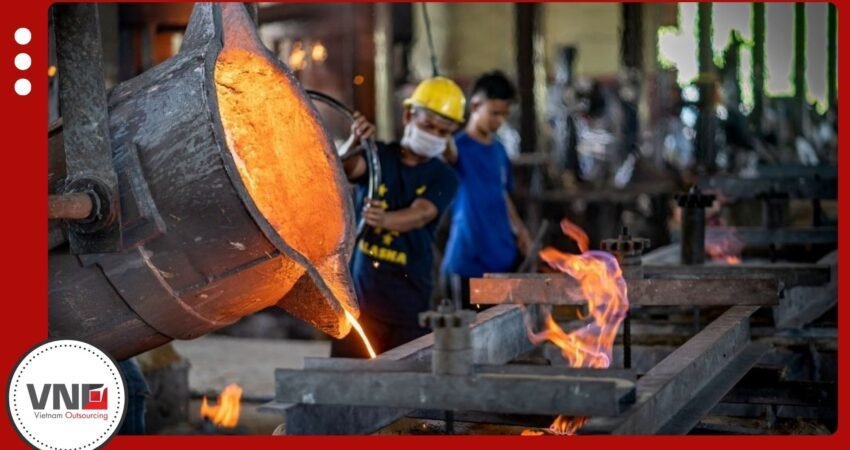
Steel Casting: Methods, Processes, and Applications
Introduction Steel casting plays a critical role in modern industry, providing durable and versatile materials for construction, automotive, and heavy machinery. By pouring molten steel into molds and cooling it into solid form, manufacturers create both large blocks for forging and long bars for rolling. The development of continuous casting
Read more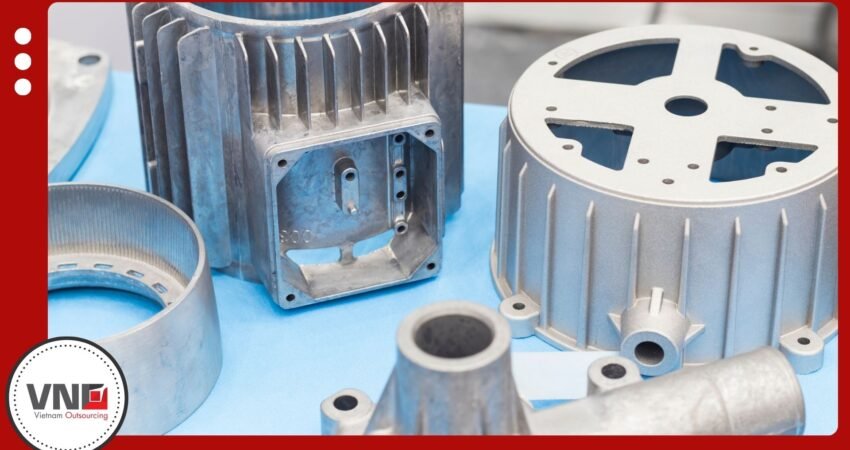
Aluminum Casting in Vietnam
Introduction Aluminum casting in Vietnam is expanding rapidly as industries and consumers seek lightweight, durable, and corrosion-resistant solutions. Aluminum alloys combine strength with low weight, making them more effective than ordinary steel (although, you may also curious of how we do Steel Casting in Vietnam) in many cases. In everyday
Read more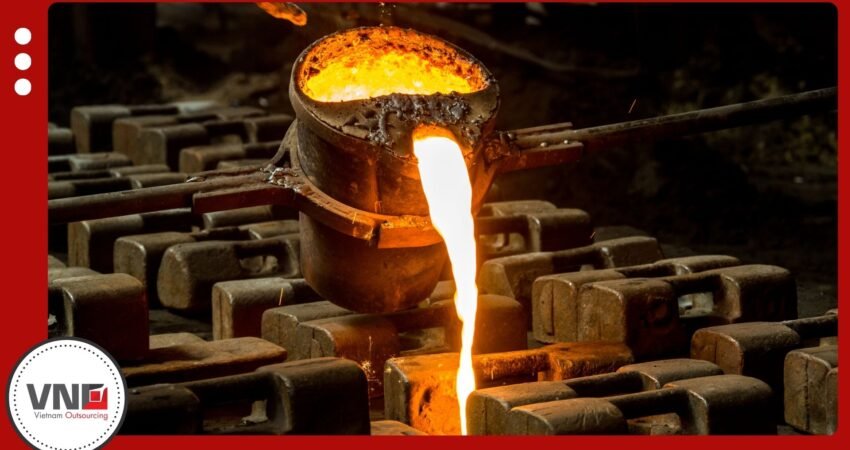
Casting Material in Vietnam: An Introduction
Introduction Casting material in Vietnam is a foundation of modern manufacturing. Casting allows molten metal to be poured into molds and shaped into precise components. Unlike 3D printing, which dominates prototyping, casting remains the most economical and reliable solution for large-scale production. The process not only supports a wide variety
Read more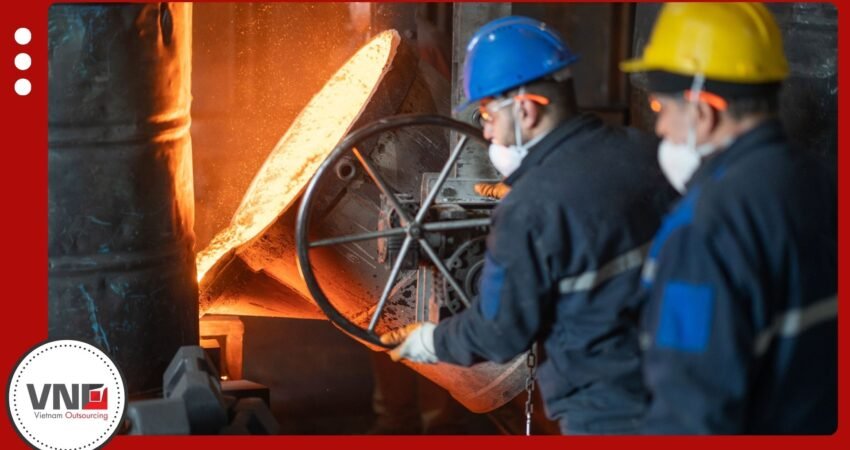
Metal casting industry in Vietnam
IntroductionThe metal casting industry plays a central role in modern manufacturing. At its core, casting is the process of pouring liquid material into a mold, allowing it to solidify, and producing a part shaped like the mold cavity. Although casting can use ceramics, plastics, or concrete, metallic materials dominate the
Read more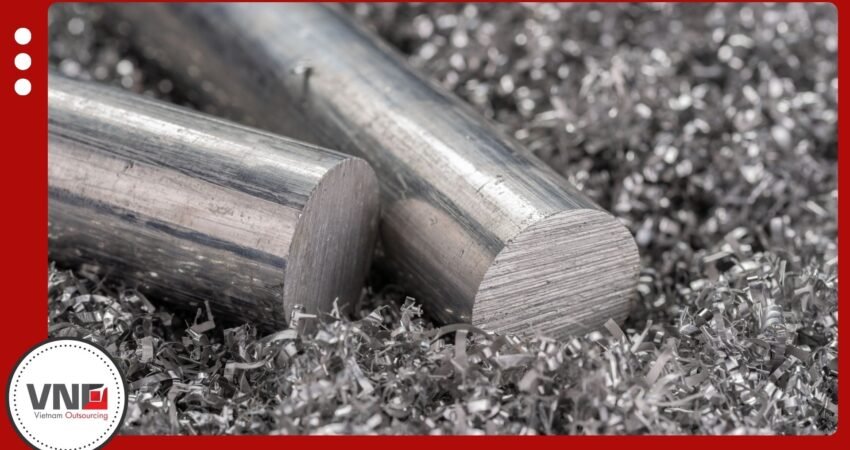
An Introduction to Aluminum Alloy Material
Table of Contents Aluminum alloy combines aluminum with elements such as silicon, iron, copper, and magnesium. Because of its ductility and convenient melting point, it adapts well to industrial production. It also resists corrosion, offers high strength, and polishes easily. Unlike many other metals, aluminum alloy keeps its appearance over
Read more