Introduction
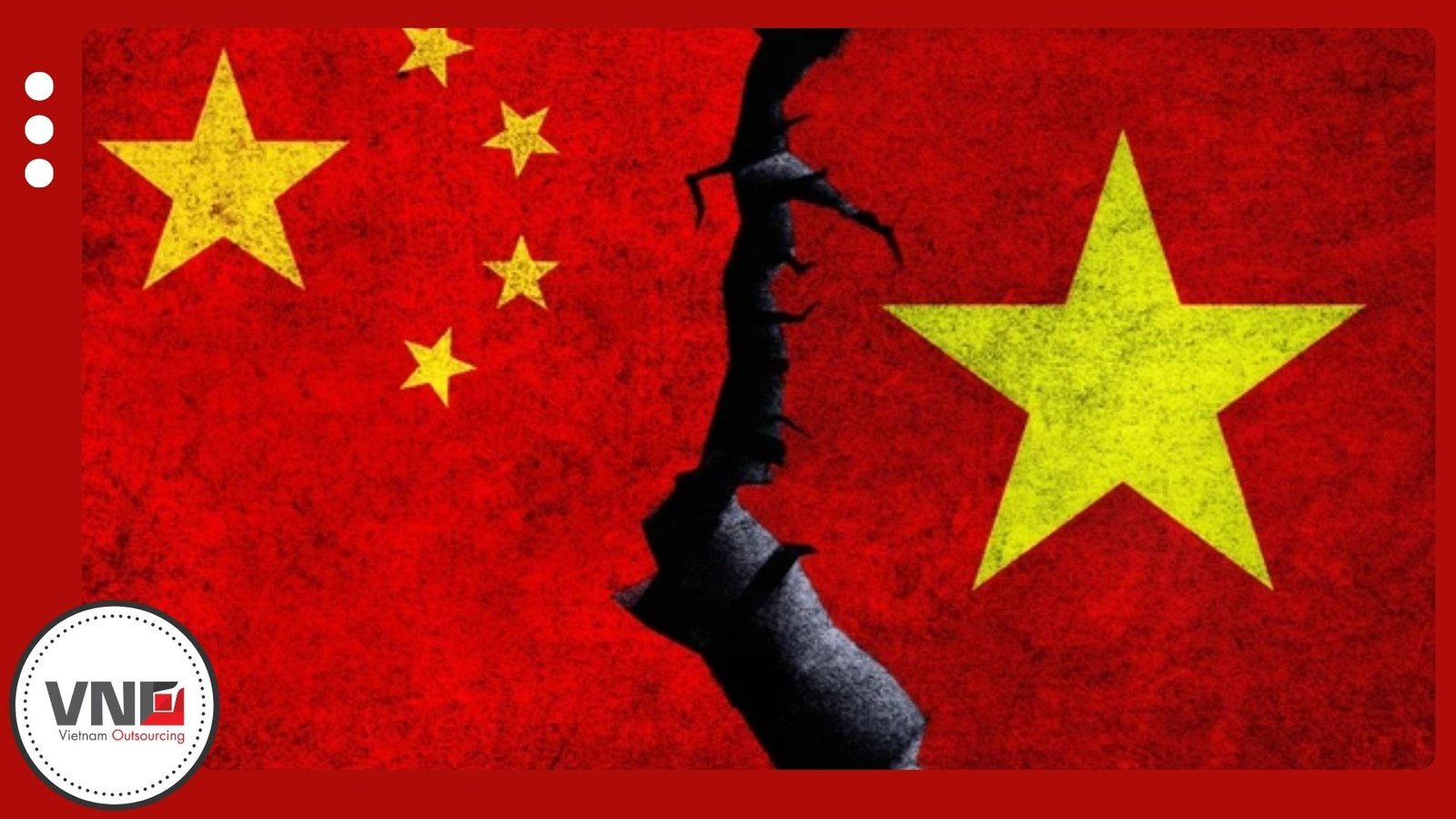
When global buyers compare Vietnam vs China die casting, two key factors come into focus: quality and cost. China has long been the world’s largest die casting hub, but rising tariffs, labor costs, and geopolitical risks have changed the equation. Meanwhile, Western buyers also acknowledged about ADVANTAGES WHEN CHOOSING DIE CASTING IN VIETNAM which are competitive pricing, international quality standards, and a reliable workforce. Understanding the differences helps businesses make smarter sourcing decisions.
Die Casting Cost in Vietnam vs China
The die casting cost in Vietnam is consistently lower than in China. Labor wages in Vietnam remain 30–40% below Chinese levels, which directly reduces production costs. In addition, Vietnam benefits from multiple free trade agreements (FTAs) with the U.S., EU, and Asia-Pacific partners. These trade deals reduce or eliminate tariffs, giving Vietnam an edge in total landed cost.
By contrast, Chinese exports face tariffs as high as 25–55% in the U.S. market. Combined with higher wages and stricter compliance costs, this makes Chinese die cast parts more expensive despite the country’s massive scale. For Western buyers seeking cost efficiency, Vietnam now provides one of the most attractive alternatives.
Die Casting Quality in Vietnam vs China
Quality has often been associated with China due to its decades of experience and large-scale operations. However, the die casting quality in Vietnam has improved rapidly. Many Vietnam die casting supplier are certified under ISO 9001, IATF 16949, and RoHS. Factories invest in modern high-pressure die casting machines, CNC finishing, and advanced inspection tools such as X-ray testing and CMM measurements.
China still offers a broader supply base and advanced automation, but Vietnam is closing the gap. In industries such as automotive, electronics, and renewable energy, Vietnamese suppliers already meet strict Western standards. Moreover, buyers often report that Vietnam’s smaller, more flexible factories are quicker to adapt to custom requirements.
Supply Chain and Delivery Reliability
Another factor in the Vietnam vs China die casting comparison is supply chain stability. China continues to face geopolitical challenges, trade restrictions, and higher shipping costs. Vietnam, on the other hand, benefits from political stability and government support for manufacturing. Industrial parks across the country are designed to support export-ready industries, offering smoother logistics and faster delivery to Western markets.
Vietnam vs China: Which is Better for Buyers?
The choice depends on buyer priorities:
- If scale and automation capacity are most important, China still has an advantage.
- If cost efficiency, tariff benefits, and flexible production are priorities, Vietnam is the smarter choice.
- For buyers focused on compliance, Vietnam’s factories now deliver die casting quality that rivals Chinese suppliers while keeping prices lower.
Conclusion
The comparison of Vietnam vs China die casting shows that Vietnam is quickly emerging as a reliable alternative. With lower costs, improved quality, and tariff advantages, Vietnam is positioning itself as a key global supplier. For buyers seeking both value and compliance, the die casting cost in Vietnam and the die casting quality in Vietnam make it a strategic sourcing choice.
Looking for a trusted partner in Vietnam? Contact Vietnam Outsourcing (VNO) today to explore high-quality, cost-efficient die casting solutions.