

Introduction
For decades, the press brake was the top choice for sheet metal bending. But in 2025, with rising labor costs, stricter compliance standards, and the push for automation, the panel bender is becoming a game-changer.
The real question today is: Panel bender vs press brake — which delivers better performance, compliance, and ROI in 2025?
1. Production Efficiency
When it comes to speed and repeatability, panel benders are outpacing press brakes.
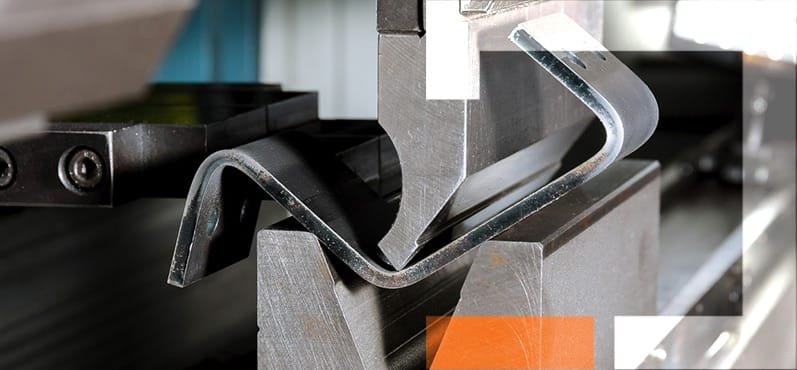
- Press brake: Even with CNC controls, operators must reposition sheets manually, slowing down production and raising ergonomic concerns.
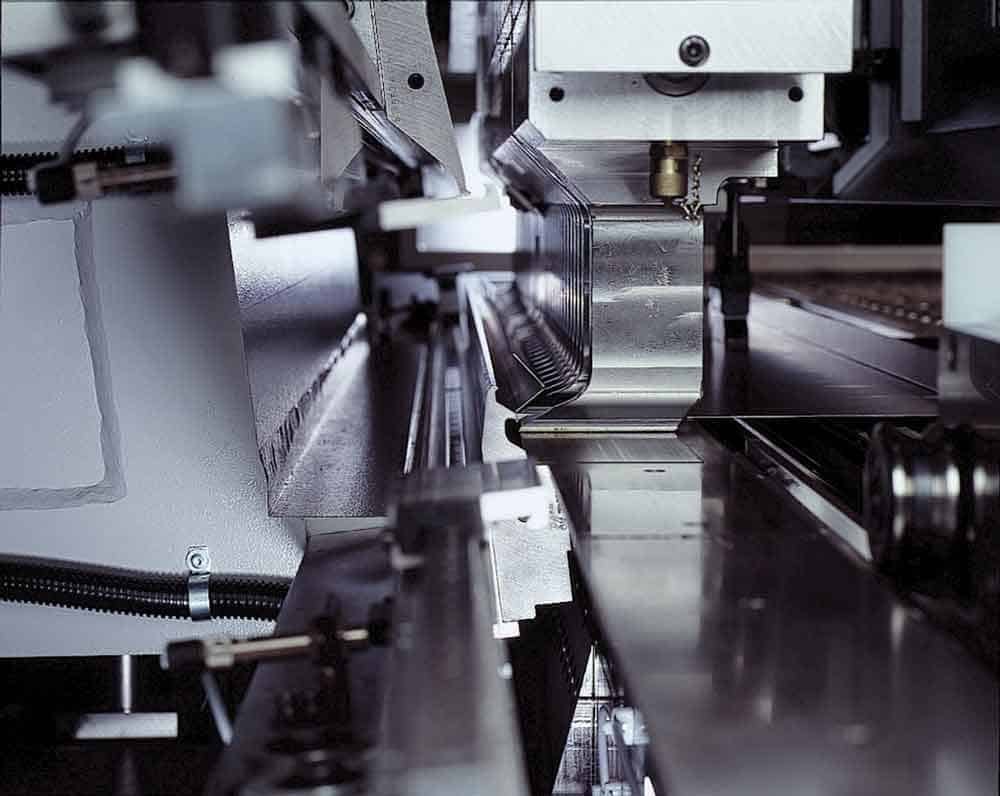
- Panel bender: Equipped with manipulators and adaptive sensors, it handles sheets automatically, making the bending process 2–3 times faster than a press brake.
2. Quality and Accuracy
Compliance with standards like ISO 9001 and IATF 16949 means precision is non-negotiable in 2025.
- Press brake: Manual handling can cause issues such as back bending, particularly with larger sheets.
- Panel bender: Keeps sheets flat and uses sensors to adjust force in real time, achieving ±0.008″ accuracy and ±0.004″ repeatability.
Example: Aerospace suppliers are increasingly adopting panel benders to meet the strict dimensional tolerances required in aircraft structures.
3. Automation and Workforce Efficiency
Automation is critical in 2025 as labor shortages and rising wages affect global manufacturing.
- Press brake: Skilled operators remain essential, and compliance with workplace safety adds costs.
- Panel bender: Delivers a hands-free process, lowering labor dependency and reducing long-term operating expenses.
Example: Automotive suppliers in Germany report a 25% drop in labor costs after shifting repetitive bending operations to panel benders.
4. Compliance and Sustainability in 2025
Global buyers increasingly demand sustainable and traceable processes.
- Press brake: Higher energy use and more rework increase waste.
- Panel bender: Reduces scrap through precision and integrates with energy-efficient systems. Some models also log production data automatically for audit purposes.
Example: Electronics manufacturers supplying to the EU use panel benders to comply with traceability requirements under supply chain transparency laws.
5. Flexibility of Applications
Despite panel bender advantages, both machines have a role in 2025:
- Press brake: Better for very thick sheets or one-off custom jobs.
- Panel bender: Ideal for high-volume production of enclosures, cabinets, HVAC systems, and automotive parts.
6. Investment and ROI
- Press brake: Lower upfront investment but higher costs over time due to labor, training, and rework.
- Panel bender: Higher initial cost but typically pays back within 2–3 years in medium- to high-volume operations.
Conclusion
The panel bender vs press brake 2025 comparison shows a shift toward automation, compliance, and sustainability. While press brakes remain essential for certain heavy-duty applications, panel benders are quickly becoming the preferred option for manufacturers aiming for speed, precision, and global compliance. You might also want to know more about metal forming production in Vietnam
