Introduction
As Vietnam marks 50 years of reunification, discussions around the Vietnam trade tariff and its impact on global supply chains are front and center. The nation has evolved from a war-torn country into a manufacturing hub with growing diplomatic influence and a pivotal role in world trade.
Vietnam’s Reunification: From War to Global Ambition
On April 30, 1975, Vietnam reunified, closing a painful chapter of conflict. That moment marked the beginning of sovereignty and economic transformation.
Today, Vietnam is no longer just a regional player—it is actively shaping international policy, including debates around the US Vietnam Tariff and its effects on imports and exports.
Vietnam Today: A Modern Economy with Trade Power
Vietnam’s transformation is evident in its strong GDP growth, modern infrastructure, and increasing trade partnerships.
Vietnam–US Trade Relations and Tariff Dialogue
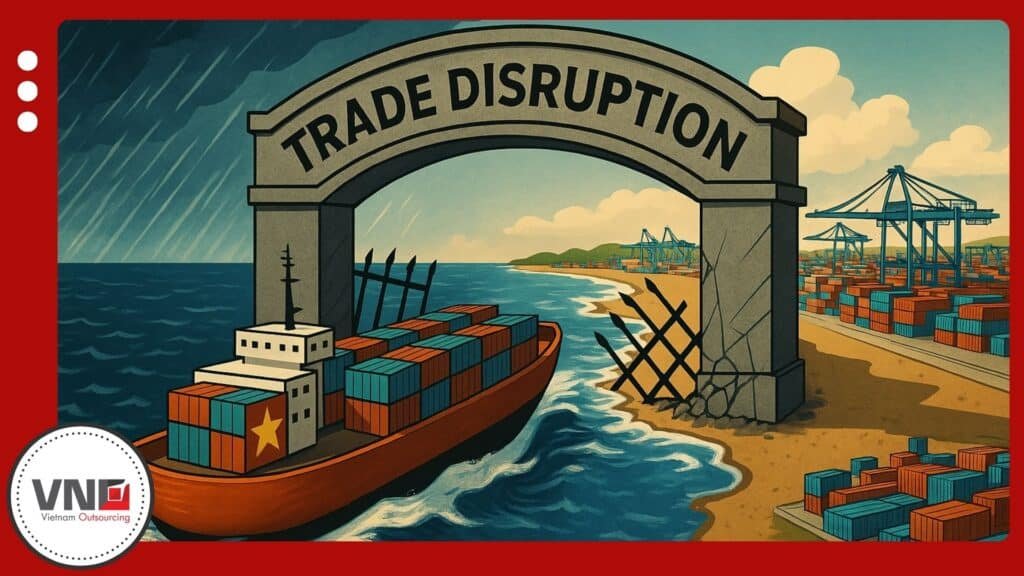
A major milestone came in 2025 when the USTR listed Vietnam among its top priority partners for negotiations. During this period, the Vietnam trade tariff became a critical discussion point.
In Q1 2025 alone, Vietnam exported $31.4 billion worth of goods to the U.S. and imported $4.1 billion in return. Talks on tariff reductions remain constructive, signaling optimism for both sides.
Confidence from Global Buyers
U.S. retailers such as Walmart and Target continue sourcing heavily from Vietnam. Their reliance reinforces confidence in Vietnam despite ongoing tariff discussions.
Vietnam’s Strategic Role in the Global Supply Chain
Vietnam’s strengths go beyond cost efficiency. Key advantages include:
-
Political stability and neutrality
-
Young, skilled workforce
-
Expanding infrastructure with new ports and highways
-
Pro-investment policies and free trade agreements
These factors position Vietnam as a reliable alternative for global manufacturers, even under Vietnam trade tariff uncertainty.
Looking Ahead: Beyond Tariff Talks
Vietnam is shifting its growth model from labor-based production to innovation-driven industries. Areas of focus include:
-
Green energy and sustainable development
-
High-tech manufacturing and AI
-
Digital transformation
-
Clean industrial investment
This evolution shows that Vietnam’s future will not only depend on tariff outcomes but also on its ability to create value-added growth.
Conclusion: Vietnam’s Next Chapter
From war to reunification and now to global leadership, Vietnam’s journey is one of resilience and ambition. The Vietnam trade tariff debate is just one piece of a larger story—Vietnam’s rise as a stable, strategic, and forward-looking partner in the global economy.
Whether in diplomacy, supply chain management, or technological innovation, Vietnam is set to remain at the heart of international trade. More insight can be found at Compliance & Supply Chain in Vietnam.