Introduction
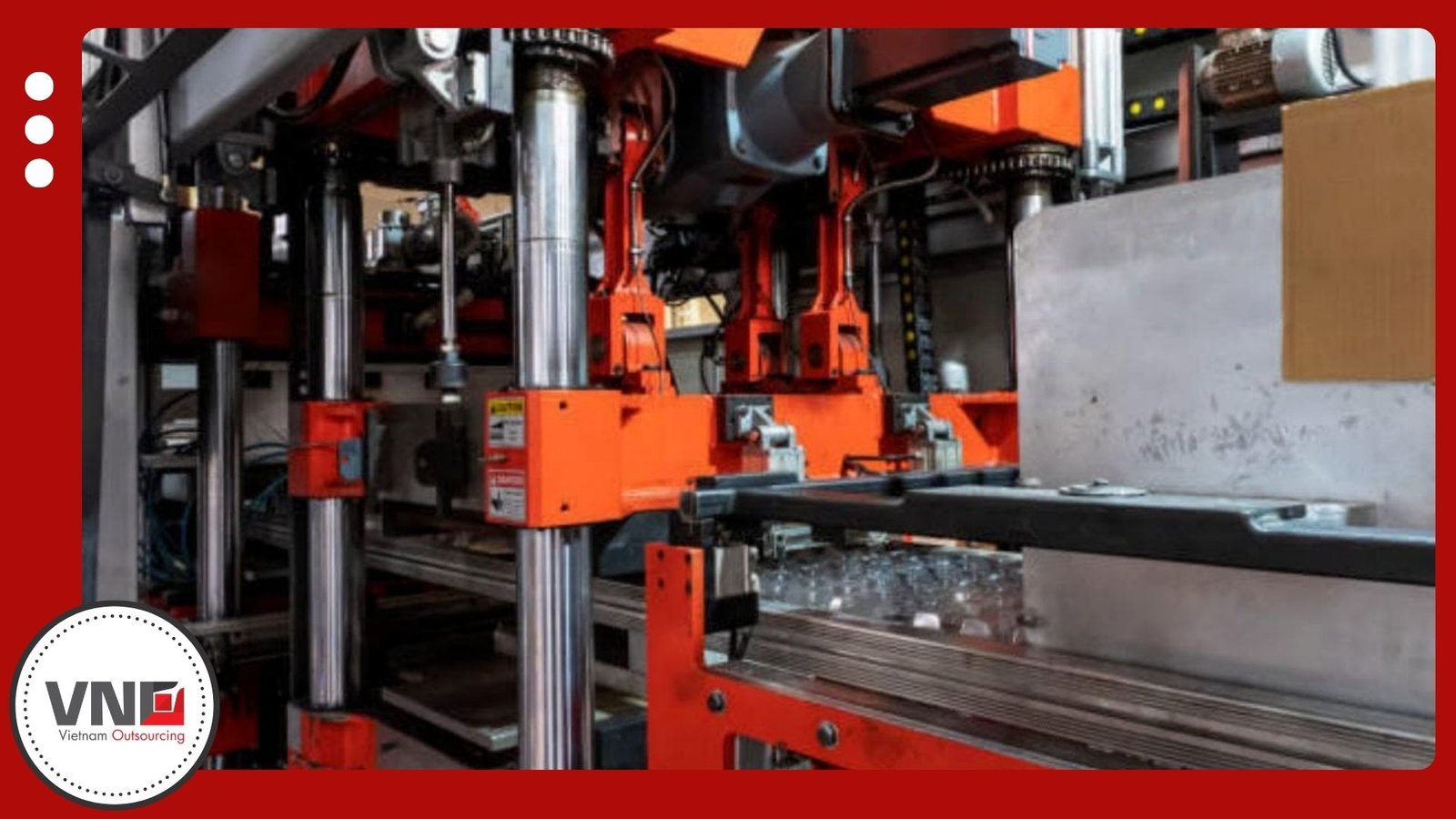
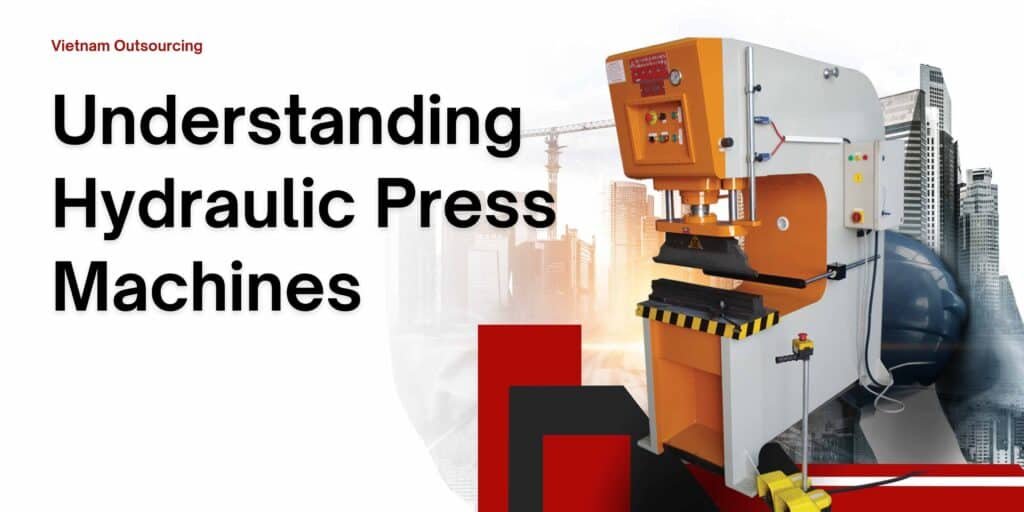
A hydraulic press machine is one of the most important tools in modern manufacturing. Using hydraulic cylinders, it generates high force to compress and shape materials. Because of this versatility, press machines are widely used in automotive, aerospace, construction, and recycling. In this article, we explain how they work, review the main types, explore common uses, and highlight why Vietnam Outsourcing Pte Ltd is a trusted supplier of components and frames.
What is a Hydraulic Press?
The press operates on Pascal’s principle: pressure applied to a fluid is transmitted equally in all directions. This principle allows the machine to create massive force with precision.
The main elements include:
Hydraulic pump – builds pressure.
Cylinder and piston – convert pressure into mechanical power.
Press bed – holds the material securely.
Control valve – regulates flow and operation.
Types of Industrial Press Machines
Different designs serve different purposes:
C-Frame Presses – Compact, used for lighter work such as punching or bending.
H-Frame Presses – Strong and versatile, suited for assembly and metal forming.
Four-Column Presses – Stable design for deep drawing and heavy-duty jobs.
Horizontal Presses – Apply force horizontally, ideal for tube bending.
Forging Presses – Extremely powerful, shaping heated metal in aerospace and automotive.
Main Applications
Hydraulic press equipment supports many industries because it combines strength with accuracy:
Metal Forming – Stamping, bending, and drawing sheet metal.
Assembly – Press-fitting components in automotive and appliances.
Powder Compaction – Producing ceramics and pharmaceutical tablets.
Recycling – Crushing scrap metal or plastics for transport.
Forging – Creating durable parts under high pressure and heat.
Process Steps in Operation
Running a press machine usually follows four steps:
Preparation – Place and align the material.
Pressing – Pump fluid into the cylinder, moving the piston to apply force.
Release – Reduce pressure and remove the workpiece.
Inspection – Check accuracy and make adjustments if needed.
Why Source from Vietnam Outsourcing Pte Ltd
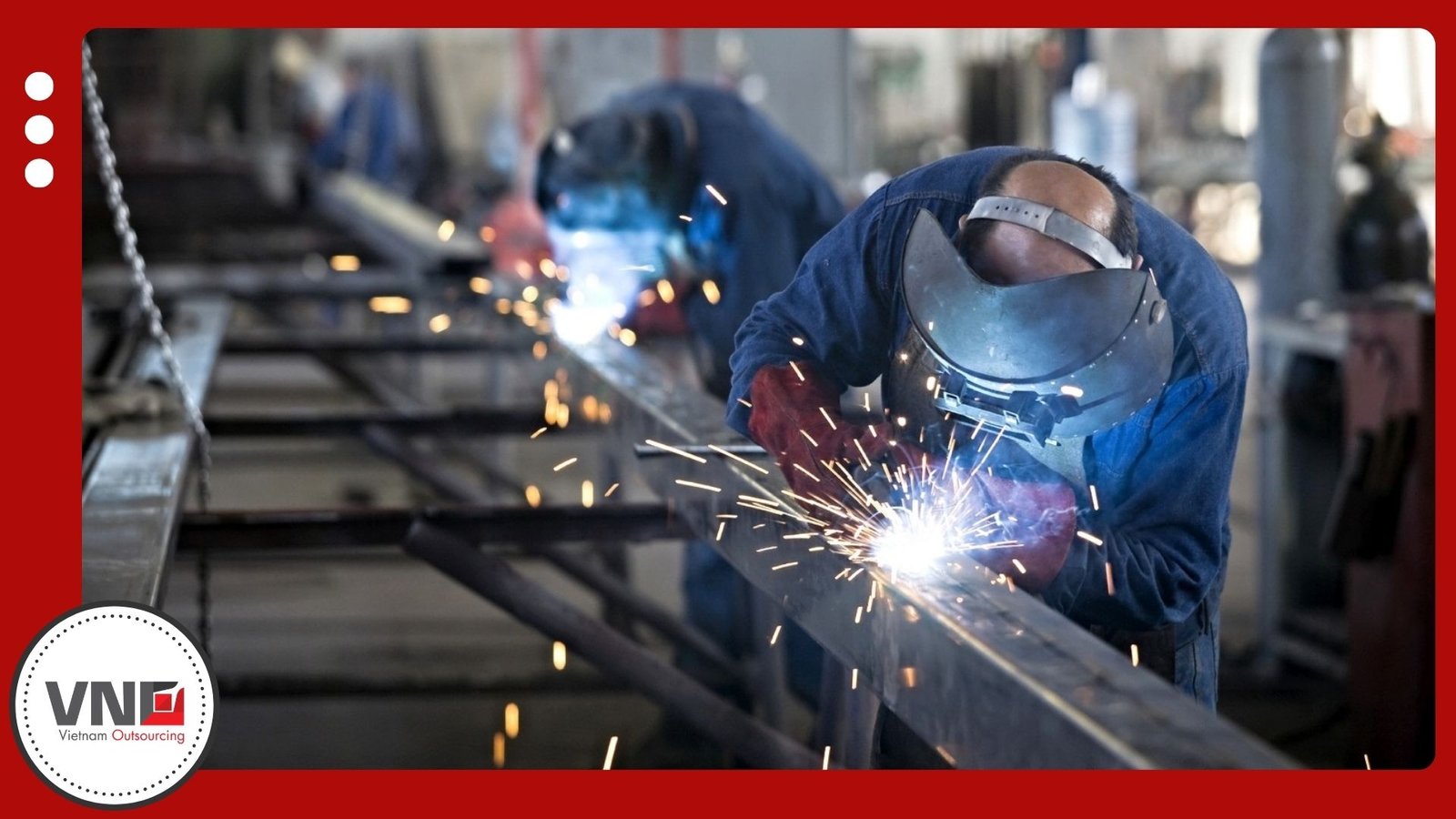
Vietnam Outsourcing Pte Ltd (VNO) connects US and EU buyers with top-quality press frames, components, parts and other quality steel fabrication services in Vietnam.
Industry Expertise – Years of experience in global metal procurement.
Competitive Pricing – Vietnam’s cost structure allows significant savings.
Strict Quality Standards – ISO-certified processes for reliable performance.
On-Time Delivery – Strong logistics ensure orders arrive as scheduled.
Custom Solutions – From standard frames to specialized parts, VNO tailors supply to client needs.
Conclusion
The hydraulic press machine is indispensable in today’s industries, combining power with precision. Understanding its designs, uses, and processes helps companies make informed decisions. By sourcing from Vietnam Outsourcing Pte Ltd, businesses who is interested in Metal Fabrication in the US and EU gain access to cost-effective, high-quality solutions delivered on time.
Need reliable hydraulic press components or frames? Contact VNO today for trusted, tailored solutions.