Introduction
CNC machining is one of the most widely used manufacturing methods today. By relying on computer numerical control (CNC), factories can produce machine parts, sub-components, and finished products with exceptional precision and speed. Compared to traditional manufacturing, Precision Machining Services offer advantages in productivity, accuracy, and scalability.
However, one of the most important decisions in CNC machining is material selection. The properties of the chosen material—such as hardness, machinability, corrosion resistance, and cost—play a critical role in performance and pricing. Among these options, machining 7075 aluminum stands out as a preferred choice for industries requiring high strength and durability.
This article explores machining 7075 aluminum alongside other commonly used CNC materials to help you understand their strengths, limitations, and best applications.
Machining 7075 Aluminum
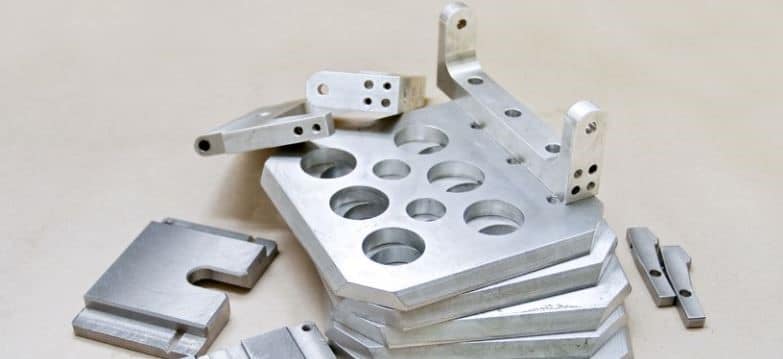
7075 aluminum is one of the strongest aluminum alloys available. Unlike 6061 aluminum, which is known for its excellent workability, 7075 has average machinability and is more difficult to form into highly complex shapes. Despite this, its high strength-to-weight ratio makes it ideal for demanding applications.
Applications of 7075 aluminum include:
- Aerospace components subject to constant pressure
- Automotive frames and suspension systems
- High-performance recreational equipment (e.g., bicycles, climbing gear)
Limitations:
- Not recommended for parts requiring welding, as 7075 aluminum has poor weldability.
- More costly than general-use alloys such as 6061.
When machining 7075 aluminum, careful programming and cutting strategies are required due to its hardness. However, the result is a durable and reliable component suited for extreme conditions.

Machining 6061 Aluminum
6061 aluminum is the most common aluminum grade used in CNC machining. It balances machinability, strength, and corrosion resistance, making it a versatile material for many industries.
Applications:
- Auto parts and vehicle frames
- Bicycle frames
- RC vehicles and sports equipment
Advantages:
- Lightweight and corrosion-resistant due to natural oxide layer
- Excellent machinability and weldability
Limitations:
- Higher price compared to some other metals
- Poor resistance to salt water and certain chemicals
Brass and Copper Alloys
Brass is a soft, easily machinable material often used for decorative or functional parts. It provides a glossy appearance and is resistant to sparking, making it suitable for sensitive environments.
Applications:
- Plumbing fittings
- Musical instruments
- Interior decoration and cosmetic applications
Naval brass offers better corrosion resistance but is more difficult to machine.
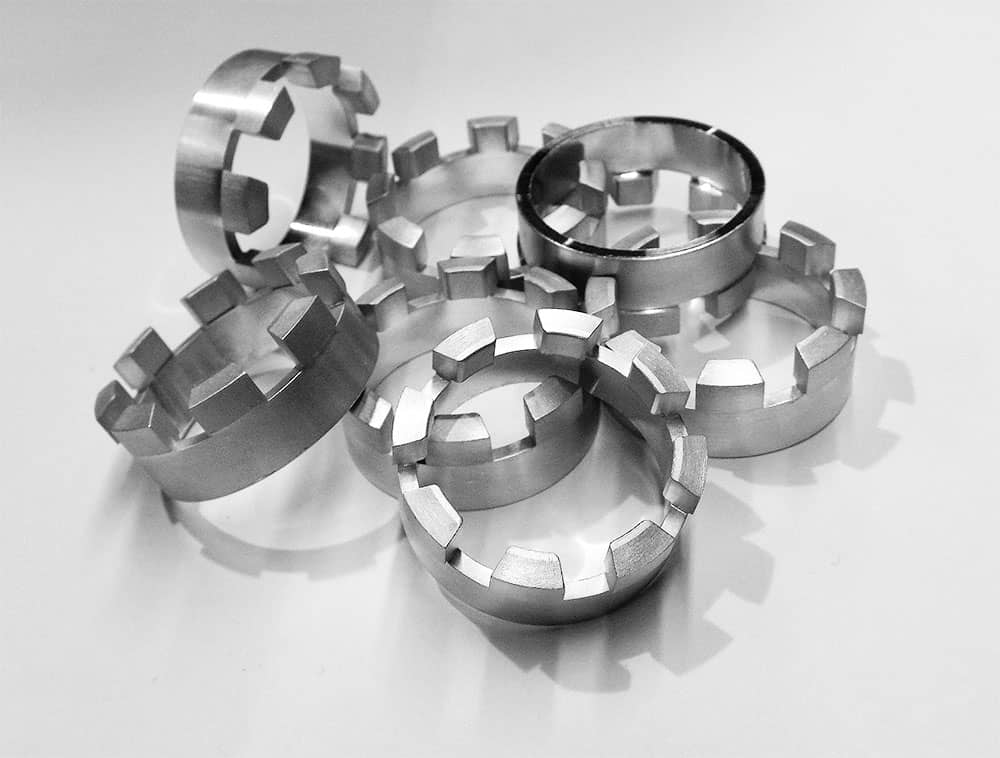
Magnesium AZ31 Alloy
Magnesium AZ31 is an alloy of magnesium, aluminum, and zinc. It is up to 35% lighter than aluminum with equivalent strength, making it one of the lightest metals used in CNC machining.
Applications:
- Aircraft parts
- Laptop cases and electronics housings
- Power tools and camera bodies
Advantages:
- Easy to machine and form
- High strength-to-weight ratio
Limitations:
- More expensive than aluminum
- Flammable under certain machining conditions
Stainless Steel Grades (303, 304, 316)
Stainless steel is another common CNC material, valued for durability and corrosion resistance.
- 303 stainless steel: Easy to machine but unsuitable for heat treatment; used for bolts, nuts, shafts, and gears.
- 304 stainless steel: The most common grade, ideal for kitchen accessories, tanks, piping, and industrial applications.
- 316 stainless steel: Known as “marine-grade” stainless steel, with superior corrosion resistance for shipbuilding and chemical storage.
Japanese D2 Tool Steel
D2 steel is a high-carbon, wear-resistant material often used for tooling applications. It can be heat treated for greater hardness and is excellent for parts that need durability under stress.
Applications: dies, cutting tools, and heavy-duty industrial parts.
Carbon Steel 1045
Carbon steel 1045 is a cost-effective, strong, and tough material widely used in mechanical engineering.
Applications:
- Shafts, bolts, gears, and connecting rods
- Industrial machinery requiring high strength
Advantages:
- Affordable
- Easy to machine and weld
- Can be hardened and heat treated
Titanium
Titanium is renowned for its combination of high strength, light weight, and corrosion resistance. It is biocompatible, making it ideal for medical devices, while also widely used in aerospace and defense.
Applications:
- Aircraft components
- Military hardware
- Medical implants and devices
Limitations:
- Expensive compared to other metals
- Poor electrical conductivity
- Difficult to refine despite being abundant in the Earth’s crust
Conclusion
Material selection is a critical factor in CNC machining. While many alloys and metals are available, machining 7075 aluminum stands out for its superior strength and performance in demanding applications such as aerospace and automotive. However, other materials like 6061 aluminum, brass, stainless steel, magnesium, and titanium each offer unique advantages for specific industries.
By understanding the properties of these materials, businesses can make informed decisions to balance cost, machinability, and performance.
Call to Action: Looking for expert support in machining 7075 aluminum and other advanced materials? Contact Vietnam Outsourcing (VNO) today for precision machining solutions tailored to your needs.