What Is Casting Machinery?
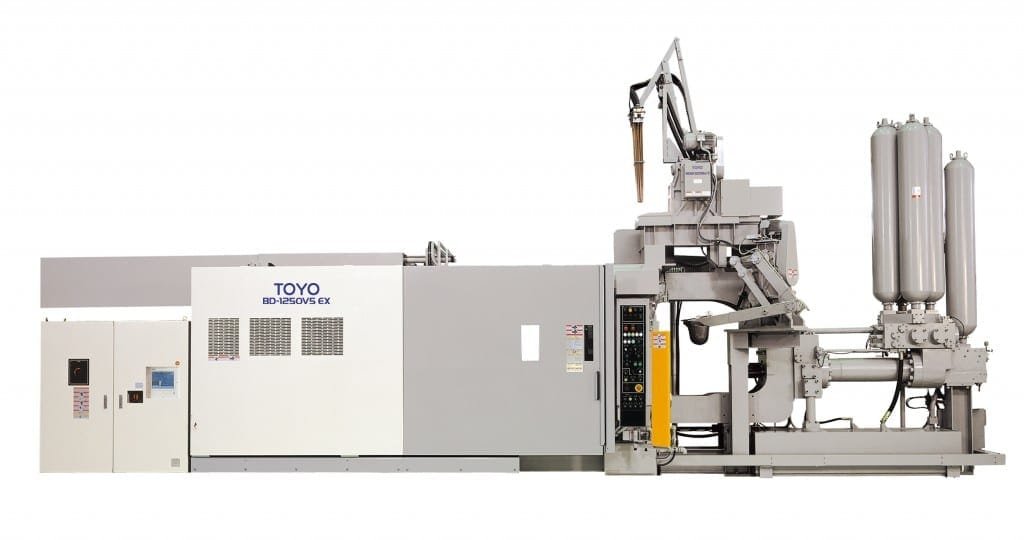
Casting machinery refers to specialized machines that shape molten metal into solid parts. These machines create molds, pour molten metal, and allow it to cool and solidify. Once hardened, the metal takes on the precise form of the mold.
Casting machinery is vital across industries such as automotive, aerospace, medical devices, and consumer products. By automating the casting process, these machines improve accuracy, reduce costs, and allow mass production of complex parts, which is greatly reflect the competitive of Vietnam die casting supplier.
Types of Casting Machinery
Hot Chamber Casting Machines
Hot chamber machines are commonly used for metals with low melting points, such as zinc and magnesium (which is well written in magnesium casting). In this process, the machine keeps the molten metal in a furnace attached to the casting unit. This setup enables quick cycles and is ideal for high-volume production.
Cold Chamber Casting Machines
Cold chamber machines handle metals with higher melting points like aluminum, brass, and copper. Molten metal is ladled into a separate chamber before injection. Although the cycle is slower, the process allows manufacturers to work with stronger alloys.
Vacuum Casting Machines
Vacuum casting removes air from the mold cavity, which reduces porosity and improves material strength. This method is widely used in aerospace and medical applications where precision and reliability are critical.
Continuous Casting Machines
Continuous casting machines produce long, uniform metal sections such as rods, billets, or slabs. The process offers high efficiency and reduces waste, making it essential in large-scale steel and aluminum production.
Centrifugal Casting Machines
Centrifugal casting uses rotational force to distribute molten metal inside a mold. The process creates dense, defect-free cylindrical parts like pipes, bearings, and bushings.
Other Notable Casting Machinery Components
Beyond the main machine types, casting systems also use:
- Cast presses and trim presses for shaping and finishing
- Hydraulic machines for precise pressure control
- Furnaces for melting metals
- Clamping units and dies to form accurate molds
- Automation systems to improve consistency and reduce labor
These components work together to create efficient casting setups for different industries.
Why Casting Machinery Matters
Casting machinery makes it possible to produce everything from engine blocks and aircraft components to surgical instruments and electronic housings. Its importance lies in:
- Efficiency – enabling mass production at lower costs
- Precision – achieving complex shapes and fine details
- Versatility – handling a wide range of metals and alloys
- Scalability – supporting both small runs and high-volume manufacturing
Conclusion
The role of casting machinery in modern manufacturing cannot be overstated. From hot and cold chamber systems to advanced vacuum and centrifugal casting machines, these tools drive efficiency and innovation. As industries continue to demand stronger, lighter, and more precise components, casting machinery will remain a cornerstone of global production.
Looking to learn more about casting machinery solutions? Contact Vietnam Outsourcing (VNO) today to connect with trusted manufacturers.